Wondering whether a historic home or a newer home is the better fit in St. Charles, IL? You are not alone. Many buyers in the Fox River area are weighing charm against convenience, and this choice can shape your budget, your lifestyle, and how much work you take on after closing. The good news is that St. Charles offers both, and each comes with clear advantages. Let’s dive in.
Why St. Charles Makes This Choice Unique
St. Charles is a great place to compare historic and newer homes because the city grew in distinct phases. According to the city’s housing study, early residential development centered near Illinois Route 64 and the Fox River, while growth expanded west in the 1980s and 1990s toward Randall Road and north of Route 64.
That means your home search is often about more than age alone. In St. Charles, older homes are typically found in traditional grid-pattern neighborhoods near downtown and the river, while newer homes are more common in the city’s western areas. In many cases, you are choosing between a more established setting and a more recently built one.
Historic Homes in St. Charles
What draws buyers to historic homes
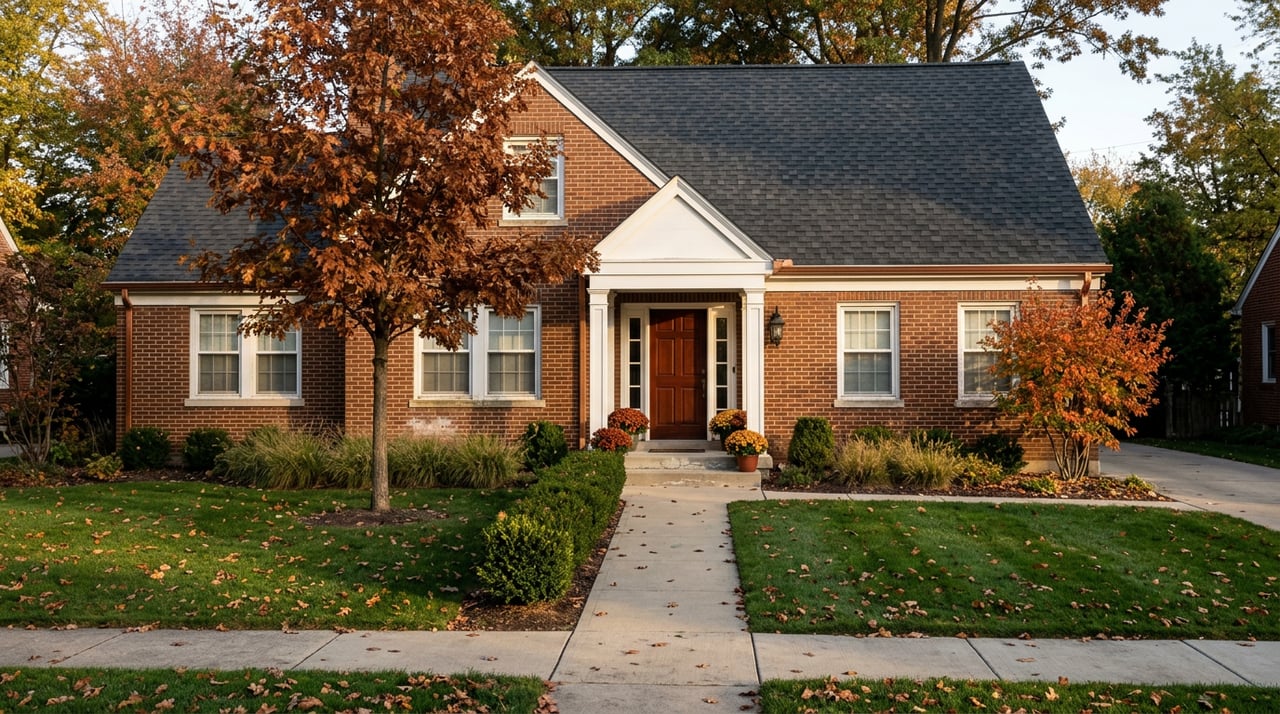
Historic homes in St. Charles often appeal to buyers who want architectural character and a sense of place. The city notes that older homes are concentrated on both sides of the river near downtown, where the original street grid still shapes the neighborhood pattern.
For many buyers, that location is a major draw. Downtown St. Charles has strong lifestyle appeal for people who want to be near the Fox River, local shops, and the city’s older core. Redfin rates Downtown St. Charles as very walkable, with a score of 82 out of 100.
What historic preservation means locally
Historic homes in St. Charles are not just old houses. They may also be part of a protected historic setting. The city has three historic districts, Central Historic, Moody-Millington, and Millington, along with more than 70 individual landmark structures.
The Central Historic District includes the downtown area, the original 1830s town layout, and well-known local landmarks such as Hotel Baker, the Municipal Center, and the Arcada Theater. The city’s preservation ordinance is designed to increase awareness of local history, protect the character of historic areas, and protect and increase property values in those areas.
Common trade-offs with historic homes
Historic homes often offer details you may not find in newer construction, but they can also come with more segmented layouts. National housing design data cited in the research shows that newer single-family homes are more likely to be 2,000 square feet or larger and more likely to have open floor plans.
In practical terms, that means a historic home may feel more distinctive but less open. If you want flexible gathering space, large kitchen-family connections, or a more modern room flow, an older floor plan may require compromise or future updates.
Energy and system considerations
Older homes may also require closer attention to efficiency. The city’s housing study states that most homes built before 1980 were not constructed to current energy-efficiency standards. The same study says comprehensive retrofits can reduce energy use by about 30 percent per building.
If you are considering an older home, look closely at insulation, windows, air sealing, heating and cooling, and the general building envelope. These features can affect both comfort and monthly costs, especially in an Illinois climate with cold winters and hot summers.
Why inspections matter more
A standard home inspection is important in any purchase, but it becomes especially important with older homes. Fannie Mae notes that inspectors commonly review electrical, gas, plumbing, roofing, insulation and ventilation, heating and cooling, foundations, and windows.
Some concerns may also require specialist inspections. Fannie Mae notes that pests, radon, asbestos, mold, and lead may need separate evaluation. If you love the character of an older home, thorough due diligence helps you understand the full picture before you buy.
Renovation rules in historic districts
If a home is in a designated historic district or on a landmark site, exterior changes may require a Certificate of Appropriateness from the city. St. Charles says exterior work in these areas goes through local review under the Secretary of the Interior’s Standards.
This does not mean updates are impossible. It does mean your timeline may include added planning and approval steps. The city advises owners to consult early, before finalizing drawings or ordering materials, since some projects may be approved administratively and others may need review by staff or the Historic Preservation Commission.
Newer Homes in St. Charles
What draws buyers to newer homes
Newer homes often appeal to buyers who want simplicity, space, and a more predictable maintenance outlook. Research cited here shows that newer single-family homes are more likely to be larger, have more bathrooms, and include open kitchen-family and kitchen-dining layouts.
That can be a big advantage if you want a home that feels move-in ready for today’s living patterns. For many buyers, open sight lines, larger common areas, and contemporary layouts make day-to-day life feel easier right away.
Where newer homes are typically found
In St. Charles, newer homes are generally more tied to the city’s westward growth pattern. The housing study points to western areas as the newest portion of the city, especially compared with the older downtown grid near the Fox River.
That difference can shape your experience as much as the house itself. A newer home may offer a more suburban development pattern and a cleaner starting point, while an older home may offer stronger ties to the city’s earliest neighborhoods.
Current code and energy standards
One of the biggest advantages of newer homes is that they align more closely with current code expectations. St. Charles uses the 2021 International Residential Code and the 2024 Illinois/International Energy Conservation Code in permit review.
Illinois also requires residential buildings to comply with the Illinois Energy Conservation Code, and the 2024 version as amended took effect on November 30, 2025. In simple terms, newer homes are more likely to reflect today’s energy standards than much of the older housing stock.
Common trade-offs with newer homes
The main trade-off with newer homes is often character. Compared with historic homes, newer properties usually have fewer original architectural details and less of the downtown-era streetscape that gives parts of St. Charles a strong sense of history.
That does not make newer homes a worse choice. It simply means the appeal is different. If you care most about practicality, layout, and current construction standards, a newer home may be the better fit. If you want a home that feels closely tied to the city’s heritage, you may lean historic.
Historic vs. Newer: How to Decide
Choose based on lifestyle first
A helpful way to compare these options is to start with how you want to live. If you picture yourself near downtown, close to the Fox River, and surrounded by older architecture, a historic home may feel right. If you want a more open interior and less near-term project work, a newer home may better match your priorities.
This is one of the clearest old-versus-new choices in St. Charles. In many cases, it is really downtown character versus west-side convenience.
Match your budget to the real cost
Price is only one part of the decision. In a competitive market, post-closing costs can matter just as much. A historic home that needs insulation upgrades, system updates, or approved exterior work may require a larger improvement budget than a newer home.
By contrast, a newer home may come with fewer immediate projects, even if the purchase price is similar or higher. Looking at total ownership cost can give you a more realistic comparison.
Think about your tolerance for projects
Some buyers enjoy taking on updates over time. Others want as few surprises as possible. Historic homes tend to reward buyers who are comfortable with inspections, retrofit work, and added planning for exterior changes in protected areas.
Newer homes usually fit buyers who prefer current code, more predictable systems, and less renovation load early on. Neither path is better. The key is knowing which one fits your comfort level.
Consider how long you plan to stay
Your timeline matters too. If you expect to stay for years, you may be more open to taking on upgrades in exchange for a location or style you love. If you want a simpler transition with fewer early projects, a newer home may offer more immediate ease.
The right answer often depends on your budget, your patience for improvements, and your long-term plans. In St. Charles, both home types can work well when the fit is right.
What Sellers Should Know
This comparison also matters if you are selling. In St. Charles, a well-updated historic home can compete strongly with a newer property, especially when buyers can clearly see the value in preserved details and documented improvements.
For older homes, it helps to have records for upgrades, maintenance, and any approved exterior work. For newer homes, buyers often respond well to clean presentation, clear permit history, and confidence in the home’s condition. In a market where Redfin reported a median sale price of $434,026, about three offers per home, and an average of 46 days on market over the three months ending April 2026, condition and pricing both matter.
The Best Choice Depends on You
There is no universal winner in the historic versus newer home debate. In St. Charles, the better choice depends on what matters most to you: original details or open layouts, central location or west-side growth, project potential or move-in readiness.
When you understand how these trade-offs show up in the local market, you can shop with more confidence and fewer surprises. If you want help comparing neighborhoods, reviewing property condition, or deciding which type of home fits your goals, Zamudio Realty Group is here to guide you every step of the way.
FAQs
What is the main difference between historic and newer homes in St. Charles, IL?
- Historic homes are usually closer to downtown and the Fox River with more architectural character, while newer homes are often in western growth areas with more open layouts and features built to current standards.
Do historic homes in St. Charles require special approval for exterior changes?
- Yes, if the property is in a designated historic district or is a landmark site, exterior work may require a Certificate of Appropriateness through the city.
Are newer homes in St. Charles more energy efficient?
- In general, newer homes are more likely to reflect current energy code standards, while many older homes were built before today’s efficiency requirements.
What should buyers inspect carefully in older St. Charles homes?
- Buyers should pay close attention to electrical, plumbing, roofing, heating and cooling, insulation, foundations, and windows, and they may also need specialist inspections for issues like radon, mold, asbestos, lead, or pests.
Where are historic homes usually located in St. Charles, IL?
- Older historic homes are typically found in traditional grid-pattern neighborhoods on both sides of the Fox River near downtown.
Are newer homes usually larger than historic homes in St. Charles?
- Often, yes. Research cited in this article shows newer single-family homes are more likely to be 2,000 square feet or larger and to have more open interior layouts.